
Colorado Springs Towing method can make your RV adventure more enjoyable and safe.
Dedicated motorcycle trailers offer more stability and safety than flatbeds. They also have low loading heights and tie-down points specifically designed for a bike’s frame areas.
Proper Preparation
A motorcycle has a different balance and weight distribution than four-wheeled vehicles, which can make it more susceptible to instability during towing. This can lead to tipping over or swaying during transit, which can cause damage to the bike and create road hazards for other drivers. Understanding these nuances and taking the proper precautions is essential to safe and successful motorcycle towing.
Before you hit the road, make sure your towing vehicle and trailer are ready to handle the load. Start by determining your towing capacity, which is defined by the Gross Combination Weight Rating (GCWR) of your RV and the tow vehicle combined. This number includes the weight of your RV, tow vehicle, passengers, cargo, fuel, water, propane, and any other equipment you’ll be bringing along. It’s also important to consider your RV’s tongue weight limit, which is the maximum amount of weight that can be pulled on a specific hitch.
Loading your motorcycle properly is another key to successful transport. Use a ramp or lift to load your motorcycle onto the trailer, and secure it with high-quality straps that are rated for the load you’ll be hauling. Secure the straps at multiple points, using a cross-pattern to reduce the risk of shifting during transit. Be sure to recheck your tie-downs after the first few miles of travel, as vibrations and rough roads can loosen straps.
Once your RV and bike are secured, plan your route to avoid tight turns, low bridges, or steep grades that can’t be traversed safely. Use a GPS system designed for RVs or apps that provide RV-friendly routes to help you avoid narrow roads and other obstacles.
Before heading out on the open road, take your RV for a test drive in a large parking lot to get familiar with handling and maneuvering it at highway speeds. Practice backing up in a straight line to prepare for any unexpected situations you may encounter on the road, and be sure to follow all local and state laws regarding traffic signals and speed limits. Finally, be sure to have a well-stocked emergency kit in case of any unexpected breakdowns or injuries during your trip.
Trailers
Whether you own a bike, race car or other specialty vehicle, proper trailer use and maintenance are vital for safe travels. Depending on their size and design, trailers can last for up to 20 years with regular care and maintenance.
Ensure that the towing hitch is properly installed and rated for the load, and inspect it regularly for wear or damage. Also, make sure to have a good quality trailer jack and safety chains. A hitch receiver with integrated sway control is also an excellent option to reduce sway and improve handling.
If you have a motorcycle trailer, ensure it has a built-in ramp for easy loading. Generally, the ramps should be set up to the same height as the motorcycle’s rear tire. Secure the ramps with strong bolts to prevent them from sliding. Also, have a wheel chock available to place the front of the bike on for initial stability. Lastly, the trailer should be well-balanced with the load distributed evenly for safe towing.
When connecting a trailer to a vehicle, it’s important to have the correct wiring for the lights and signaling. Most trailers have a common light circuit that feeds both the brake and turn signals. This makes it necessary to install a “bypass relay” system that takes a small signal from the vehicle’s rear lights to switch the trailer’s lights on with its own power source.
For the sake of safety, it’s best to have a second person to help when backing a trailer. Unless the vehicle is equipped with a backup camera, reversing and backing a trailer can be challenging. Also, remember that the trailer will pull in the opposite direction of the towing vehicle when braking. Therefore, you’ll need to allow more time and distance for braking than normal.
While DIY towing seems cheaper at first glance, it’s often more cost-effective in the long run to hire a professional shipping service for longer trips or for high-value motorcycles. A service provides door-to-door transport with insured, vetted drivers who use specialized equipment to safely load and secure vehicles.
Tow Bars and Hitch
A tow bar is a common way to flat tow a vehicle. They are easy to use, simple to store and very lightweight. Unlike tow dollies, which have to be lifted off the front of the vehicle and folded up against the frame, tow bars slide into your RV’s hitch receiver, eliminating the need for lifting off the front of the towed vehicle or fold up against the back of the motorhome when not in use. Most tow bars have “collapsible” arms that retract, self-center and lock in place to make them easier to connect and disconnect from a car or other vehicle. These arms are also easy to slide in and out of the way for quick, compact storage.
It’s important to know the weight capacity of your towed vehicle and towing equipment before you buy a tow bar or make any adjustments. Roadmaster has a tow bar finder that can help you determine what size and style tow bar is best for your needs.
Depending on the type of tow bar you choose, it can attach directly to your RV’s hitch or to a custom base plate that goes on the back of your towed vehicle. The custom-fit baseplate is designed for your particular year, make and model to ensure the tow bar is properly aligned with the RV and towed vehicle for maximum safety and performance.
The tow bar then inserts into the RV’s hitch receiver and is secured with a hitch pin. Towing a vehicle without a tow bar or proper trailer hitch can damage the rear of your RV and may not be legal in some jurisdictions. Some tow bars include a baseplate with safety chain mounts for an optional breakaway cable, which is designed to activate the towed vehicle’s brakes if it detaches from the RV.
A tow bar with a braking system is recommended for vehicles that will be driven on uneven or rocky terrain. These systems are integrated into the tow bar and are easier to install than a separate brake system on a towed vehicle. They also have the added benefit of reducing the load on the RV’s rear axle and can prevent shock loads from damaging the towing system.
RVs and Specialty Vehicles
Many people think of ambulances when they hear the term “specialty vehicle,” but this is a broad category that can include anything from a bookmobile to a mobile mammography unit. The important thing is that these vehicles have been custom-designed for a professional purpose. RVs can also fall into this category, especially those that are used for vacations. RVs are either trailers that can be towed or can be driven themselves, and they come in many shapes and sizes. Some have multiple levels and can even have slide-outs to expand their living space. They can be categorized further by having their engines in the front or back, though most have them in the rear.
Specialty vehicles require particular care when they are being towed. Traditional towing methods can easily damage their delicate frames, and improper loading can cause them to tip over during transport. This makes specialized equipment essential, whether it’s a hitch-mounted carrier or a dedicated motorcycle trailer.
A common type of specialty vehicle is the RV, which can be a trailer that’s towed or a drivable unit that requires a CDL license to operate. These units can be very large, and they often have features like full-sized refrigerators and bathrooms that make them suitable for long stays on the road.
These vehicles are also playing a critical role during the coronavirus pandemic. In addition to being upfitted as medical or command centers, they are being used to sequester people and keep them away from the public. Using RVs to distribute vaccines and test for the virus is another way in which these vehicles are making a difference.
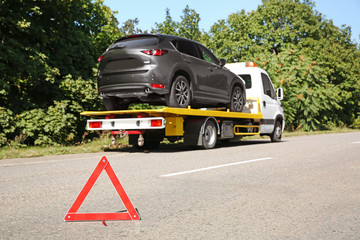
Towing a specialty vehicle requires the use of special equipment, including a flatbed tow truck. These trucks allow cars to be loaded onto a flat surface, reducing the risk of damage and allowing them to be transported faster. They are available in a variety of sizes, and they can be customized to suit the specific needs of the customer.
When it comes to towing for motorcycles, RVs and other specialty vehicles, precision and care are essential. The right equipment can help ensure that these vehicles are safely transported and not damaged during the process, and a reputable towing company will be able to handle all the necessary steps.